Complete Crop Nutrition: Why Balanced Fertilization Matters
Balanced crop nutrition is the foundation of sustainable and profitable agriculture. Supplying crops with the right combination of essential nutrients ensures healthy plant growth, stronger resistance to stress, and improved yield quality. Modern farming demands precise nutrient management rather than excessive or unbalanced fertilizer use.
Primary nutrients such as Nitrogen (N), Phosphorus (P), and Potassium (K) play a critical role in plant development. Nitrogen supports vegetative growth, phosphorus strengthens root systems and flowering, while potassium improves disease resistance and overall crop vigor. When these nutrients are applied in the correct proportion, crops utilize them efficiently without degrading soil health.
“Balanced fertilization not only improves yield but also protects soil fertility for future generations.”
In addition to primary nutrients, secondary nutrients and micronutrients such as calcium, magnesium, zinc, iron, and boron are equally important. Deficiency of even a single micronutrient can limit crop performance. Integrated crop nutrition strategies help farmers address hidden hunger in plants while maximizing nutrient uptake efficiency.
Benefits of Balanced Fertilization
A well-planned fertilization program improves crop productivity, enhances soil structure, and reduces nutrient losses. Balanced nutrition ensures long-term sustainability while lowering input costs and environmental impact.
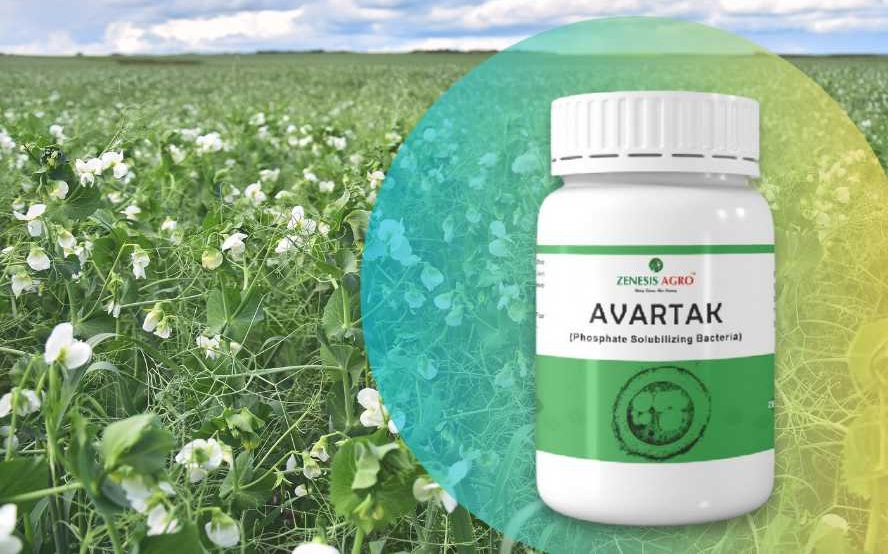
At Zenesis Agro, we focus on delivering scientifically formulated crop nutrition solutions that meet the evolving needs of modern agriculture. Our balanced fertilizers and nutrient products are designed to improve crop performance while preserving soil health, ensuring sustainable success for farmers.